Fasical Stretching
The aim of fascial stretching is to make your tissue more elasticated and durable at the same time. Fascial stretching involves gentle and pulsating movements. The movements aren't rigid but are light. From the outside, it looks like a flowing movement.
Traditionally stretching is performed with the goal of deforming the tissue with enough force to produce a lengthening effect, in order to gain more linear range of motion. The stretch is commonly held at a point of tissue resistance coincident with some discomfort for 15-30 or more seconds and repeated 2-3 times per isolated muscle.
People may initially feel this as being productive, but eventually will have limited results, or even incur a new injury. One of the reasons for this failure is the model used in traditional stretching is based on biomechanics. Applying these principles of engineering, materials science, and classical mechanics to the human body, treats it as if it was made and functioned like a machine and not the elegantly designed 4D dynamic organism that it is.
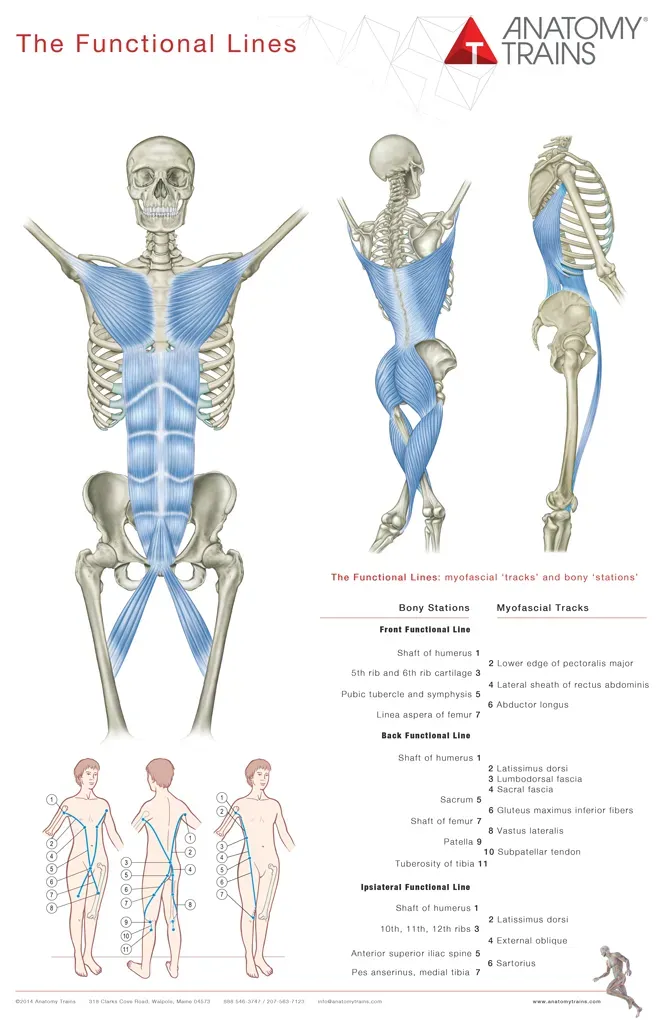
The science and ongoing research of our connective tissue system (commonly called the fascial system) has produced new models of anatomy and physiology that are shifting old paradigms not only in stretching but in many fields like physical medicine and manual therapy. Proving that a muscle cannot lengthen, strengthen, or functionally do anything in isolation is only one of many discoveries that have led to great advances in the effectiveness of fascial stretching and other therapies.
- Stretch to win Institute

Muscle Rehab Appointment Schedule
**New Clients Into Offer **
Muscle Rehab Mobile App